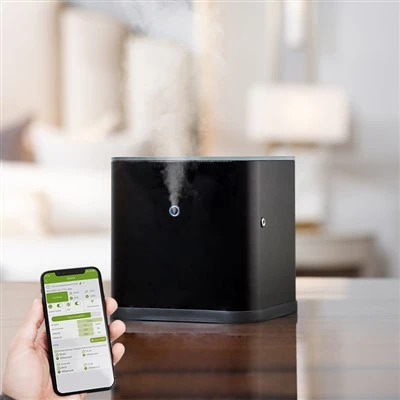
Reed diffusers-also known as "flameless diffusers"-are eco-friendly air fresheners consisting of a vessel, reeds, and aromatic essential oils. They function by utilizing a carrier medium to disperse fragrance, thereby improving the ambient air quality. The product traces its origins to traditional European aromatherapy customs; historically, people in the Mediterranean region would use olive oil bottles to hold essential oils. Reed diffusers began gaining popularity in the U.S. market around the turn of the millennium and, through media promotion, were subsequently embraced by consumers across Europe, the Americas, Japan, and South Korea.
A reed diffuser is a product that utilizes a carrier medium-characterized by its absorbency, oil-wicking properties, and volatility (such as natural reeds, wood, cotton cords, or ceramics)-to draw up aromatic liquid and, through the medium's porous structure, slowly and evenly disperse the fragrance into the air. While the product initially took the form of simple natural reeds, its evolution has led to a diversification of carrier shapes and materials-including twig-like designs, floral shapes (often crafted from rice paper pith), porous ceramic flowers, and charcoal sticks-all designed to enhance the product's decorative appeal. Its primary advantages include safety (as no open flame is required); versatile styling that serves a dual function as home décor; the ability to control fragrance intensity by adjusting the number of reeds used, making it suitable for spaces of varying sizes; and a slow, long-lasting scent release-a single bottle typically provides 3 to 5 months of use. The product first rose to prominence in the U.S. market around the turn of the millennium before gradually sweeping across Europe, the Americas, and other regions.